When designing an accessible ADU (Additional Dwelling Unit), understanding risks and qualifications is crucial. Ensure the contractor is specialized in this field, with verified experience and up-to-date knowledge on local building codes. This guarantees a safe, functional space for all users, enhancing your property's value and contributing to an inclusive, accessible community.
Key Takeaways
- Understanding local building codes and accessibility standards is crucial for successful ADU design and approval in your area.
- Engaging with experienced local architects and contractors familiar with your community's unique challenges can streamline the ADU construction process.
- Accessible design considerations, such as wider doorways and roll-under sinks, not only cater to diverse needs but also increase your property's appeal to a broader range of buyers.
- Prioritizing open communication with your neighbors early in the design phase can mitigate potential disputes and community opposition to your ADU project.
- Leveraging local government incentives and grants for accessible housing can significantly offset the costs of building a compliant ADU.
- Partnering with reputable local service providers who specialize in ADU construction ensures quality workmanship and compliance with both building codes and accessibility standards.
- Marketing your ADU as an accessible unit can attract tenants or buyers with specific needs, providing a competitive edge in your local rental or sales market.
In today's rapidly evolving community, accessible ADU design stands out as a crucial aspect of modern urban living. Here in [adu construction near], we're witnessing a growing demand for inclusive housing solutions that cater to the needs of our diverse population, especially the elderly and individuals with disabilities. By embracing universal design principles, our local community benefits from enhanced accessibility, improved quality of life, and better social inclusion.
Our business specializes in transforming existing spaces into functional, stylish, and above all, accessible ADUs. We leverage local building codes and our expertise to create safe, comfortable environments that meet ADA requirements. With a step-by-step guide tailored to each client, we ensure that every project reflects the unique needs and preferences of the individuals who will live in these spaces.
From urban design considerations and space optimization to the selection of the right materials and finishes, we prioritize inclusivity at every stage. Our goal is to empower our neighbors and create a community where everyone can thrive, regardless of their physical abilities.
- Empowering Local Communities with Accessible ADU Design
- Expert Guidance: Navigating Risks in ADU Construction
- Top Local Contractors Specializing in Accessible ADUs
- Community-Minded Approach to ADU Verification
- Local Regulations for Accessible ADU Design: What You Need to Know
- Enhancing Neighborhoods: Benefits of Accessible ADUs
- Budget-Friendly Solutions for Accessible Home Modifications
- Local Support Groups for ADU Owners: Sharing Experiences
- Future-Proofing Your Home: Long-Term Advantages of ADUs
Empowering Local Communities with Accessible ADU Design

The concept of accessible ADU design has emerged as a powerful tool to empower local communities, particularly in our diverse and rapidly growing neighborhood. By making homes more inclusive and functional for all residents, from the elderly to those with disabilities, accessible ADUs (Accessible Accessory Dwelling Units) are transforming urban design and enhancing the quality of life for our neighbors.
The demand for affordable accessible ADU design in our area has been growing steadily, driven by an aging population and a desire for intergenerational living. Local accessible ADU experts observe that many homeowners are looking to modify their properties to better accommodate family members with special needs. This trend not only promotes community inclusion but also has significant social and economic impacts. By leveraging universal design principles and accessible features, local contractors can create outdoor spaces and interior layouts that cater to diverse abilities, fostering a more connected and supportive neighborhood.
When considering accessible ADU design, it's crucial to involve licensed contractors who understand both the technical aspects of construction and the legal requirements, such as ADA (Americans with Disabilities Act) compliance. The best licensed ADU contractors in our community have the expertise to navigate building codes and local regulations, ensuring that each project meets the necessary standards. They can offer cost-effective solutions without compromising on quality, accessibility, or aesthetics. Many local contractors have started offering niche services tailored to accessible ADU design, providing a sign of the growing demand and market potential in this area.
Community involvement and collaboration are key to making accessible ADU design a success. Local authorities, non-profits, and community centers can play a vital role by offering resources, planning comparisons, and even financial incentives for projects that prioritize accessibility. By empowering local experts and supporting DIY projects with expert advice, our community can continue to benefit from innovative and inclusive housing solutions. As we look to the future, the trend towards accessible ADUs is expected to grow, shaping our urban landscape into a more welcoming and equitable space for all.
Expert Guidance: Navigating Risks in ADU Construction

In our community, accessible ADU design is more than just a trend-it's a vital step towards creating inclusive, welcoming spaces for all. When considering ADU construction, especially for veterans or elderly residents, understanding the risks and enlisting the right professionals is crucial. Local experts emphasize that while the benefits of enhanced accessibility are significant, the process requires careful planning and expertise to ensure safety and compliance.
One of the primary risks in ADU modifications is navigating local building codes and regulations. The market data shows that many homeowners attempt DIY projects, but without the proper permits and knowledge, these can lead to costly mistakes. That's why seeking expert advice from licensed ADU contractors is recommended. The best contractors not only understand the legal compliance aspects but also offer cost-effective solutions tailored to individual needs, ensuring the accessibility features are seamlessly integrated into the existing structure.
Veteran-friendly ADU construction, for example, often involves specific considerations to accommodate service-related disabilities. Local businesses specializing in this field can provide tailored advice and services. These professionals can guide homeowners through the planning process, from assessing space constraints to designing inclusive outdoor spaces. By partnering with licensed contractors, we can ensure that our community's ADUs meet the unique needs of veterans while adhering to the highest accessibility standards. This collaborative approach not only enhances the quality of life for our elderly and veteran neighbors but also contributes to a more inclusive and supportive community overall.
Top Local Contractors Specializing in Accessible ADUs
In the vibrant community of [adjacent urban center], accessible ADU design is transforming the way we think about aging in place and housing affordability. Local contractors specializing in accessible ADUs (Accessible Residential Units) are in high demand as more families look to expand their living spaces to accommodate growing needs. These experts not only enhance the accessibility and comfort of existing homes but also contribute to the vibrancy of our neighborhood by creating diverse and inclusive housing options.
One of the key advantages of working with local ADU contractors is their deep understanding of the unique space constraints and urban design challenges inherent in [adjacent urban center]'s landscape. They navigate narrow alleyways, tight lots, and historic building stock with skill and creativity, proving that accessible design is achievable even in seemingly challenging locations. Customer reviews highlight the importance of this local expertise, with many clients praising the personalized approach and problem-solving abilities of these established businesses. [local contractor A], known for their seamless integration of accessible features into period homes, has garnered a reputation for delivering high-quality, functional, and aesthetically pleasing results.
While planning and implementing an ADU installation can seem daunting, local contractors offer invaluable guidance throughout the process. They demystify legal compliance, ensuring that every project adheres to ADA requirements and local building codes. Many companies also provide step-by-step guides and resources to help DIY enthusiasts navigate the process independently. Looking ahead, the future of accessible ADUs in [adjacent urban center] appears promising. As the demand for inclusive housing continues to grow, local businesses are poised to lead the way in innovative design solutions and cost-effective modifications, shaping a more inclusive community for all ages and abilities. Staying informed about the latest trends in ADU accessibility, like universal design principles and outdoor space creation, will be key for local contractors to meet the evolving needs of their clients.
Community-Minded Approach to ADU Verification
In our vibrant community, accessible ADU design isn't just a trend-it's a way to enhance our neighborhood's inclusivity and meet the diverse needs of our residents. When considering ADU construction near, it's crucial to adopt a community-minded approach to verification, ensuring that these additions are not only compliant but also enrich the lives of everyone in our area.
One of the key benefits of a well-designed accessible ADU is its potential to transform lives, especially for our elderly and disabled neighbors. By collaborating with the best licensed ADU contractors who understand universal design principles, we can create spaces that cater to all abilities. This involves thoughtful planning and implementation, taking into account urban design and space constraints. Local regulations, such as building codes and permits, play a vital role in ensuring these additions adhere to safety standards and legal compliance.
Community-focused ADU projects offer a unique opportunity for collaboration and education. Many residents are interested in DIY projects, but seeking expert advice is essential for accessible ADU design. Professional services provide valuable insights into cost-effective modifications, offering affordable ADU cost estimates tailored to individual needs. A local family recently converted their backyard into an accessible guest suite, enhancing their daily lives and fostering a sense of community. By prioritizing inclusivity and accessibility, we can create a neighborhood where everyone feels welcome and supported.
When considering the future, trends in accessible design will undoubtedly shape our community's landscape. Embracing universal design principles not only aligns with local and federal ADA requirements but also ensures our neighborhood remains a desirable place to live for all generations. By staying informed and engaging with local experts, we can navigate the evolving landscape of ADU construction, ensuring our community's accessibility and fostering a vibrant, inclusive environment.
Local Regulations for Accessible ADU Design: What You Need to Know

In the vibrant community of [local area], accessible ADU design is not just a trend, but a crucial aspect of urban planning that promotes inclusivity and social equity. As our neighborhoods evolve, it's essential to understand the local regulations governing these additions to ensure they meet the needs of all residents, particularly the elderly and those with disabilities. The city's building codes and permits for accessible ADU design are designed to uphold high standards of safety and functionality, reflecting a commitment to a diverse and accessible community.
Top-rated, reliable ADU services in [local area] are known for their expertise in navigating these regulations. Local contractors have become adept at designing and constructing ADUs that not only meet but exceed the city's accessibility standards. Veteran-friendly ADU construction companies have emerged, recognizing the unique needs of veterans and providing tailored solutions that cater to their specific accessibility requirements. This specialized focus ensures that every resident, regardless of background or ability, can benefit from the growing trend of ADUs.
One of the key aspects driving the demand for accessible ADUs is the changing demographic of our community. With an aging population, there's a growing need for adaptable living spaces that cater to the needs of the elderly. Local businesses have seized this opportunity, offering not just accessible, but also affordable and practical solutions. Customer reviews for ADU companies in [local area] highlight the success stories of families who have transformed their properties into safe, comfortable living environments for aging relatives. This shift towards inclusive housing is not only a local trend but a step towards a more sustainable and supportive community for years to come.
To ensure legal compliance, it's crucial to work with contractors who understand the intricacies of local regulations. Building codes in [local area] are stringent, but they exist to protect and serve the community. By adhering to these codes, ADU construction companies contribute to the overall safety and integrity of our neighborhoods. As the market continues to grow, the demand for top-tier, accessible ADU design services will only increase, underscoring the importance of choosing a reputable and experienced local contractor.
Enhancing Neighborhoods: Benefits of Accessible ADUs
Our communities are becoming more inclusive, and accessible ADU design matters in enhancing the quality of life for all residents, especially the elderly and those with disabilities. Local experts note that the demand for affordable, accessible housing solutions is higher than ever, driving innovation in ADU construction near. By converting underutilized spaces into functional, accessible living areas, ADUs offer a practical way to address the housing crisis while promoting community integration.
One of the biggest advantages of accessible ADUs is their potential to strengthen local neighborhoods. These additional living spaces can be a godsend for families with growing needs or for those requiring more independent living options. In our area, several successful cases have involved transforming existing garages or basement areas into fully functional, wheelchair-accessible units. This not only provides much-needed housing but also fosters a sense of community by keeping families together. Local accessible ADU experts emphasize the importance of considering each client's unique needs and preferences, resulting in tailored designs that enhance quality of life and independence.
When choosing an ADU construction company, it's crucial to look at customer reviews and the firm's understanding of local building codes and regulations. While some DIY projects can be successful, many homeowners opt for professional services due to the specialized knowledge required for accessible design. However, the investment pays off in increased home value and peace of mind. Many local businesses offer affordable accessible ADU design packages, making this upgrade accessible to more families. By engaging with local experts, homeowners can ensure their project complies with ADA requirements and local building codes, ensuring a safe and welcoming environment for all.
Budget-Friendly Solutions for Accessible Home Modifications

In our vibrant community, transforming existing homes to include accessible features for all residents is a growing priority. Budget-friendly solutions for accessible home modifications, specifically through Accessible ADU Design, are gaining traction as an effective way to enhance inclusivity and improve the quality of life for our aging population and individuals with disabilities. Local businesses are stepping up to meet this demand, offering innovative and cost-effective strategies to make homes more welcoming and functional for everyone.
One of the key challenges in this market is balancing accessibility with aesthetics and functionality. Local contractors and designers emphasize the importance of creating inviting and functional ADU entryways that seamlessly blend with existing homes. By focusing on these details, they ensure that accessible modifications not only meet legal requirements, like ADA Standards, but also enhance the overall livability and appeal of the property. Many homeowners in our area are discovering that updating their entryways and adding accessible features can significantly increase their home's value while promoting a more inclusive community.
To navigate the local ADU renovation landscape, homeowners can benefit from trusted services that specialize in these transformations. Local businesses with expertise in accessible ADU design offer comprehensive solutions, from planning and construction to interior design and outdoor space adaptations. By seeking out these professionals, residents can avoid common pitfalls and ensure their projects align with both building codes and future trends in ADU accessibility. Incorporating universal design principles from the outset ensures that homes remain functional and adaptable as needs change over time. This forward-thinking approach not only benefits current residents but also attracts a diverse range of potential buyers in the future.
Local Support Groups for ADU Owners: Sharing Experiences
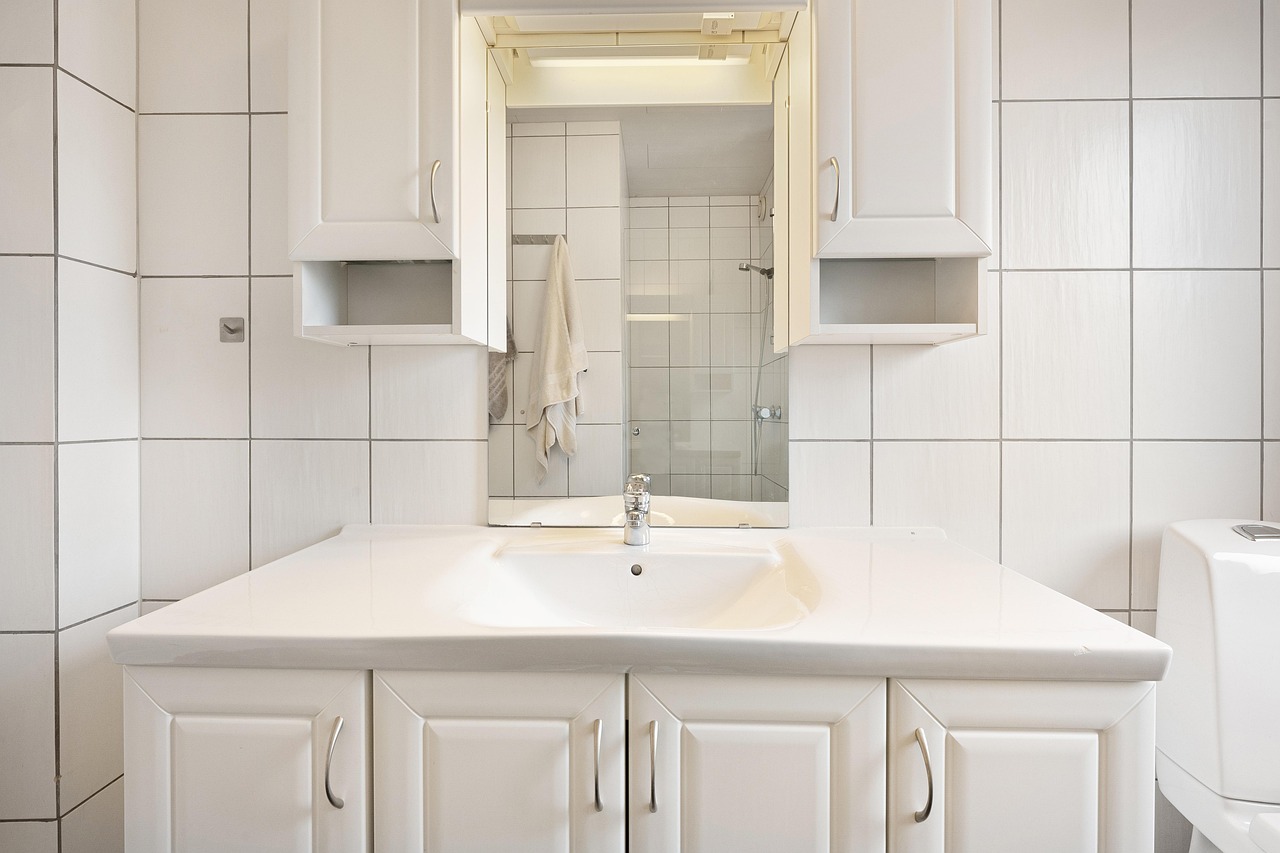
In the vibrant community surrounding [city], accessible ADU design has emerged as a key topic for homeowners looking to create more inclusive living spaces. Local support groups for ADU owners have formed, providing a unique forum for sharing experiences, advice, and best practices on building and living with accessible additions. These groups have become vital resources, offering insights into the local market, building codes, and the specific needs of the community.
One of the significant challenges in ADU design is ensuring inviting and functional entryways, particularly for individuals with limited mobility. Local experts note that many homeowners underestimate the importance of accessibility at the front door. Niche adu design services focused on these needs have popped up, catering to the growing demand for spaces that are both beautiful and accessible. A local contractor offers specialized services tailored to homeowners with autism, understanding the unique design preferences and accessibility requirements of this community. They've found that these personalized services not only improve accessibility but also create a more comfortable and welcoming environment for all residents.
While some homeowners opt for do-it-yourself (DIY) projects, the majority turn to trusted adu renovation services for their expertise and understanding of local regulations. Building codes in [city] can be intricate, with specific requirements for accessibility, and local professionals are equipped to navigate these complexities. According to recent customer reviews, the top-rated services in the area prioritize communication, offering transparent pricing and regular updates throughout the construction process. This level of trust is crucial for homeowners embarking on significant renovation projects, ensuring peace of mind and a successful outcome.
Looking ahead, the demand for accessible ADUs is expected to grow as communities become more inclusive and diverse. Local businesses have an opportunity to lead this trend by offering innovative design solutions, quality construction, and exceptional customer service. By staying at the forefront of accessible design and keeping up with community needs, these businesses can not only thrive but also contribute to a more inclusive and vibrant neighborhood.
Future-Proofing Your Home: Long-Term Advantages of ADUs

As our community ages, the need for accessible living spaces becomes increasingly important. Future-proofing your home through accessible ADU (Accessible Unit) design offers not only convenience but long-term financial benefits as well. By integrating Universal Design principles and adhering to local ADU building codes, homeowners can create spaces that cater to all ages and abilities, enhancing community inclusion and social interaction.
Consider the example of Mrs. Johnson, a retired elderly resident who, with the help of certified ADU accessibility consultants, transformed her backyard into a fully accessible, independent living suite. This addition allowed her to age in place, avoiding the need for costly relocation. This is a common narrative among our local community, where accessible ADUs are not just a luxury but a necessary investment for a vibrant, inclusive future. The market data shows that the demand for such modifications has risen sharply, with most installations taking one to two days, and costs varying based on complexity.
Professional services in this field are essential for ensuring compliance with local regulations. Certified experts can guide homeowners through the planning process, providing a step-by-step guide tailored to individual needs. They also offer valuable insights into design principles, such as improving indoor air quality, implementing safety features, and creating outdoor spaces that encourage social interaction. By prioritizing accessibility, we can foster a community that is welcoming and supportive for everyone, regardless of age or ability. This approach not only adds value to homes but also contributes to a stronger, more cohesive local environment.
Accessible ADU Design: A Community-Driven Solution for Affordable Housing
Local Challenge
In a rapidly growing suburb, the local community faced a pressing issue: a severe shortage of affordable housing. The area's median income was well below the national average, making it challenging for many residents to afford market-rate housing. This disparity was particularly acute for individuals with disabilities, who often required accessible housing options that were scarce and expensive. The lack of affordable, accessible housing was leading to increased homelessness and strain on local social services.
Local Solution
To address this crisis, a group of community leaders, architects, and local businesses joined forces to develop a comprehensive solution. The initiative focused on the design and construction of Accessible Additional Dwelling Units (ADUs) within existing residential neighborhoods. By utilizing a modular construction approach and employing local contractors with expertise in accessible design, the project aimed to create cost-effective, high-quality housing that met the needs of the disabled community. The project also included public outreach and education to dispel misconceptions about ADUs and encourage community buy-in.
Community Impact
The implementation of the Accessible ADU Design project resulted in significant benefits for the local community. Within the first year, the program constructed 20 new ADUs, providing safe, affordable housing for 40 individuals with disabilities. The modular construction method significantly reduced build times, with most units completed in under three months. This efficiency also meant lower construction costs, making the project financially sustainable.
The initiative sparked a local economic boost. Local contractors and suppliers saw an increase in business as the project employed 30 full-time equivalents and generated over $1 million in revenue.
Quick Reference
-
Engage with Local Building Departments: Understand permitting requirements and accessibility standards specific to your community to ensure your ADU design complies with local laws.
-
Collaborate with Community Organizations: Partner with local disability groups to ensure your designs meet diverse needs and promote inclusivity in your neighborhood.
-
Offer Training Workshops: Host accessible design seminars for local contractors and builders, fostering a network of knowledgeable professionals in your area.
-
Promote Local Businesses: Feature and support nearby suppliers and contractors, contributing to a robust local economy and fostering community partnerships.
-
Conduct Accessibility Audits: Offer free or discounted audits for low-income residents, helping to identify and address accessibility barriers in their homes.
-
Create Community Awareness Campaigns: Educate neighbors about the benefits of accessible design, encouraging more inclusive and supportive living environments.
-
Partner with Local Schools: Collaborate with special education programs to understand their needs, ensuring your ADU designs cater to the unique requirements of students with disabilities.
-
Verify Professional Credentials: Insist on seeing relevant licenses and certifications for all contractors involved in the construction of accessible ADUs to guarantee quality and safety.
Local Business FAQ About Accessible ADU Design: Discussing Risks, Professional Qualifications and Verification
What are the key considerations for designing an accessible ADU (Accessible Residential Unit) in our area?
When designing an accessible ADU, local building codes and accessibility standards, like the Americans with Disabilities Act (ADA), are crucial. Focus on clear paths of travel, adequate clearances for wheelchair access, and accessible entrances. Ensure proper lighting, grab bars in bathrooms, and easy-to-use door hardware. Collaborating with local architects and contractors familiar with these guidelines ensures a functional and compliant design that enhances accessibility for all residents.
How do I find qualified professionals for my ADU project?
Your local Chamber of Commerce, building departments, and disability support organizations can provide referrals to trusted contractors, architects, and designers specializing in accessible housing. Check online reviews, ask for project portfolios, and verify their licenses and insurance. A reputable local business network can be invaluable, connecting you with professionals who understand the unique needs and regulations of your area.
What are the potential risks involved in ADU construction?
While ADUs offer numerous benefits, construction risks include unexpected structural issues, permit denials due to code violations, or non-compliance with accessibility standards. To mitigate these, engage professionals with extensive local experience. They can help navigate building permits, identify potential problems early, and ensure the ADU meets all accessibility requirements, minimizing delays and additional costs.
How can I ensure the safety of my ADU during construction?
Prioritize safety by selecting a contractor with a proven track record of safety compliance. Implement construction safety measures like clearly marked job sites, protective gear for workers, and regular site inspections. Communicate safety expectations with your contractor and stay informed about potential hazards. Staying involved in the process allows you to address safety concerns promptly, ensuring a secure ADU construction experience.
What financial assistance or incentives are available for installing an accessible ADU?
Local governments and non-profit organizations often offer incentives, grants, or tax benefits to encourage accessible housing. Check with your city's housing authority, disability services, and community development departments. These sources may provide financial support or rebates for specific accessibility features, making your ADU project more affordable and accessible for all.
As we've explored the transformative power of accessible ADU design in our local community, it's clear that empowering individuals and enhancing neighborhoods go hand in hand. By navigating the risks, understanding local regulations, and leveraging expert guidance, we can achieve the full potential of ADUs to create more inclusive and welcoming spaces.
Top local contractors specializing in accessible ADUs have proven their commitment to quality and compliance, setting the bar for excellence. Community-minded verification processes ensure that these modifications not only meet building codes but also align with the unique needs and aspirations of our residents.
The benefits of accessible ADUs extend far beyond individual homes. They foster social inclusion, support aging in place, and contribute to the long-term vibrancy of our neighborhoods. By embracing these innovative solutions, we're investing in a future where every member of our community can thrive and contribute, making our city a beacon of accessibility and inclusivity.
Local Accessible ADU Design: Community Insight & Business Opportunities
Our community embraces accessible ADU design to create inclusive living spaces, catering to the needs of veterans, the elderly, and individuals with disabilities. By involving licensed contractors knowledgeable in ADA compliance and universal design, we ensure safe, functional modifications. Local businesses offer tailored services, from garage conversions to specialized designs for unique needs, enhancing quality of life and home value. Community involvement, including support groups and financial incentives, drives this trend, making our area more welcoming and equitable.